Prescription Drugs & Opioids
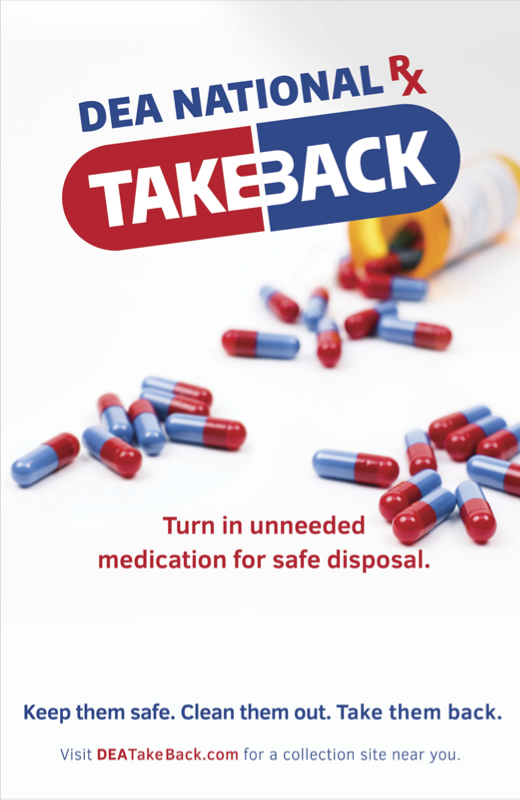
TAPP Supports DEA Prescription Drug Take Back Program
Safely Dispose of Unused Medications
NO QUESTIONS ASKED
Unused or expired medications can be dangerous if left in your home. Twice a year, TAPP partners with the Torrington Police Department and local community members to host Prescription Drug Take Back Days—a safe, anonymous way to dispose of medications and help keep our community healthy.
Upcoming Dates:
October 24, 2026
♻️ Dispose of Medications Any Day
NO QUESTIONS ASKED
Help make Any Day a Drug Take Back Day by using one of the permanent community medication drop boxes to help keep our communities safer.
Torrington Police Department - Main Lobby - 576 Main St, Torrington, CT
Additional Locations:
- Thomaston Police Department – 158 Main St., Thomaston, CT
- Middlebury Police Department – 200 Southford Rd., Middlebury, CT
- State Police Troop L (Litchfield) – 452A Bantam Rd., Litchfield, CT
- Terryville Police Department – 80 Main St., Terryville, CT
- Watertown Police Department – 195 French St., Watertown, CT
- Winsted Police Department – 338 Main St., Winsted, CT
- State Police Troop B (North Canaan) – 463 Ashley Falls Rd., North Canaan, CT
For more locations: Collection Site Locator
OPIOIDS AFFECT YOUR BRAIN. Opioids are a class of drugs that include the illegal drug heroin, synthetic opioids such as fentanyl, and pain relievers available legally by prescription, such as oxycodone, hydrocodone, codeine, morphine, and many others.1 They affect both the spinal cord and brain to reduce the intensity of pain-signal perception as well as brain areas that control emotion. They can also affect the brain to cause euphoria or “high”.
OPIOIDS AFFECT YOUR BODY. Opioids slow down the actions of the body, such as breathing and heartbeat. Even a single dose of an opioid can cause severe respiratory depression (slowing or stopping of breathing), which can be fatal; taking opioids with alcohol or sedatives increases this risk.
OPIOIDS ARE ADDICTIVE. Even though heroin is highly addictive, more people struggle with addiction to prescription pain relievers.5 Many young people who inject heroin report misuse of prescription opioids before starting to use heroin.
OPIOIDS CAN KILL YOU. Drug overdose is the leading cause of accidental death in the United States, with 68,690 drug overdose deaths between March 2017 and March 2018.7 More than 46,000 of those deaths involved opioids.

What are prescription opioids?

Opioids are a class of drugs naturally found in the opium poppy plant. Some prescription opioids are made from the plant directly, and others are made by scientists in labs using the same chemical structure. Opioids are often used as medicines because they contain chemicals that relax the body and can relieve pain. Prescription opioids are used mostly to treat moderate to severe pain, though some opioids can be used to treat coughing and diarrhea. Opioids can also make people feel very relaxed and "high" - which is why they are sometimes used for non-medical reasons. This can be dangerous because opioids can be highly addictive, and overdoses and death are common. Heroin is one of the world's most dangerous opioids, and is never used as a medicine in the United States.
What are common prescription opioids?
- hydrocodone (Vicodin®) oxycodone (OxyContin®, Percocet®)
- oxymorphone (Opana®)
- morphine (Kadian®, Avinza®)
- codeine
- fentanyl
How do people misuse prescription opioids?
Prescription opioids used for pain relief are generally safe when taken for a short time and as prescribed by a doctor, but they can be misused. People misuse prescription opioids by:
- taking the medicine in a way or dose other than prescribed
- taking someone else's prescription medicine
- taking the medicine for the effect it causes-to get high
What about Naloxone?
As the opioid crisis persists in the Northwest Corner, the importance of learning about the life-saving potential of naloxone is crucial.
A naloxone training can:
- help to understand the opioid epidemic,
- educate about how to respond to an overdose,
- and to learn how naloxone works to reverse an opiate overdose.
If you or your organization are located in Northwest Connecticut and are interested in naloxone training, please fill out the contact form here - a representative who can facilitate the training will contact you shortly.
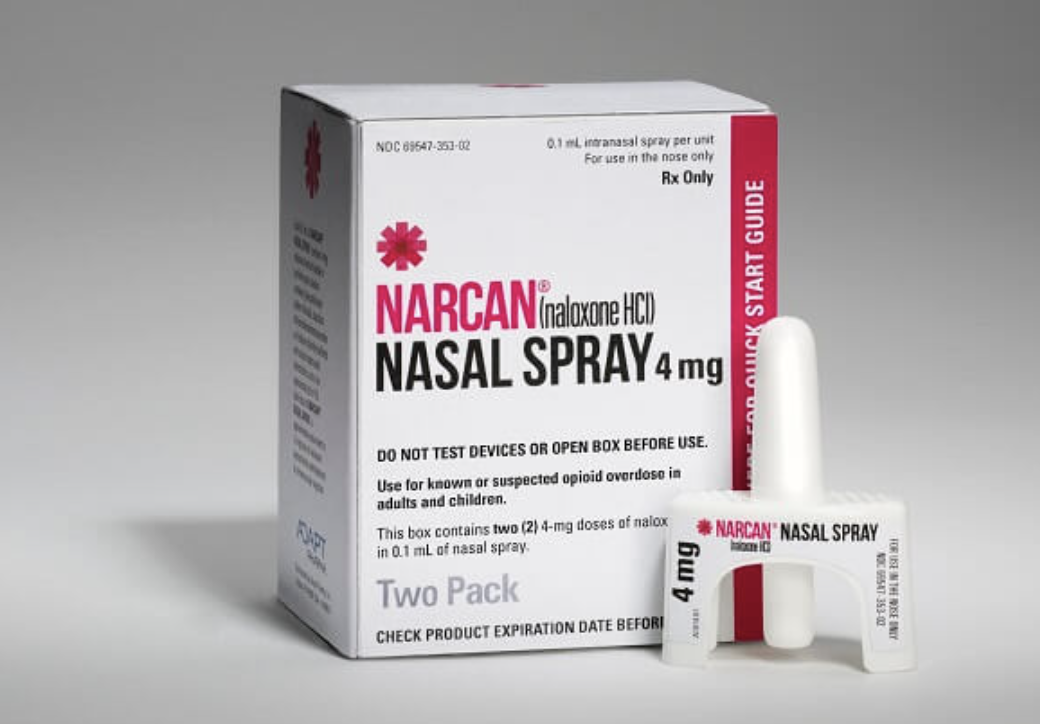
- Naloxone is sold under the brands Narcan and Evzio and is used for the emergency treatment of opioid overdose.
- It's an "opioid antagonist," which blocks specific receptors in the body that opioids bind to, thereby reversing the overdose symptoms.
- As of March 2023, the FDA approved over-the-counter drug purchase to make it readily available.
Substance Use & Addiction
Substance abuse and addiction are very complex and multi-faceted issues that communities across the country are struggling to deal with. One thing we know is that intentional, community focused approaches to substance abuse prevention can be extremely effective.
NATIONAL TRENDS
As a requirement for the Drug-Free Communities grant, our coalition has selected two priority substances to address within our community. These substances have been selected based on the level of use within Torrington, as well their impact on the health and well-being of youth and the community at large.By selecting these priority substances, we are by no means neglecting other problem substances – we are merely identifying these issues as being central to our SPF approach.
The Complexity of Addiction: There are a large number of factors that can lead to addiction. Check out the video published through Khan Academy for an interesting discussion of some of the risk factors.
TAPP is a community coalition whose mission is to promote healthy life choices through collaboration, education, support and training. We engage and mobilize youth, parents and community partners to prevent substance misuse, foster emotional health, and maintain a safe and healthy community.
58 High Street, Torrington, CT 06790
(959) 799-1445
torringtonapp@gmail.com